
Common Interior Design Mistakes Sydney Homeowners Make
A beautiful home is rarely created by buying more furniture or following every new design trend. The most successful Sydney interiors begin with thoughtful planning, good proportions, practical layouts and a clear understanding of how the people living there actually use the space.
From choosing oversized furniture to overlooking lighting and storage, seemingly small decisions can affect how comfortable, functional and cohesive your home feels. This guide explores some of the most common interior design mistakes Sydney homeowners make — and practical ways to avoid them.
Why Good Interior Design Starts With Planning
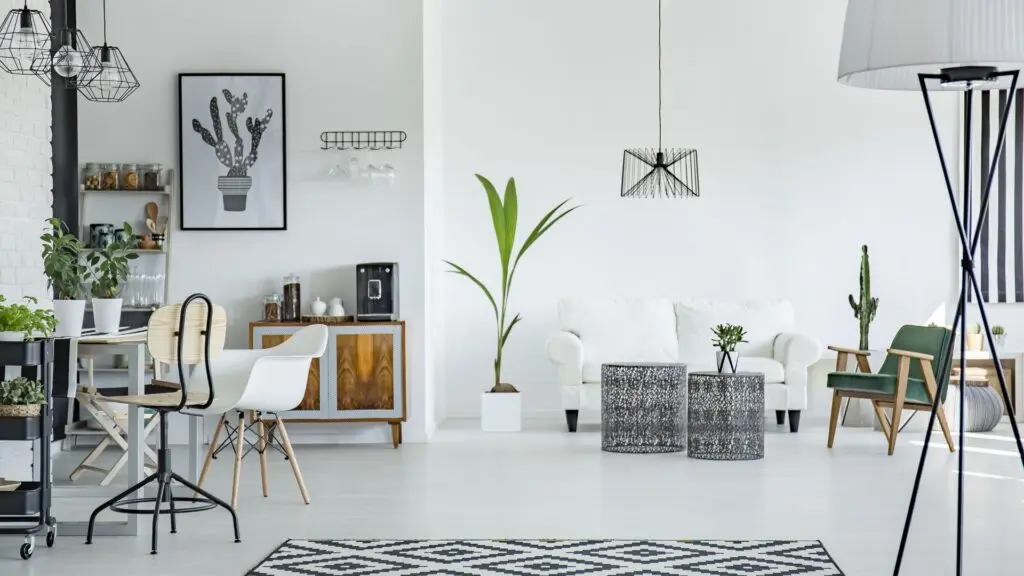
Interior design is about much more than selecting colours, furniture and decorative accessories. Good design considers how a room functions, how people move through it, where natural light enters, how furniture relates to the architecture and how individual spaces connect to the rest of the home.
Sydney properties can present very different design challenges. An inner-city apartment may require careful furniture scaling and clever storage, while a family home in the Hills District may need stronger zoning, better circulation and more practical shared spaces.
If you are redesigning several rooms or creating a new home interior, professional residential interior design in Sydney can help bring layout, materials, colours, lighting and furniture into one cohesive plan.
Interior Design Mistakes to Avoid
- Choosing furniture before planning the room
- Using furniture that is the wrong scale
- Ignoring lighting
- Following trends too closely
- Choosing paint colours in isolation
- Forgetting practical storage
- Pushing every piece of furniture against the wall
- Mixing too many materials and finishes
- Buying everything from one collection
- Leaving interior design until late in a renovation
- Ignoring how rooms connect
- Designing for appearance instead of everyday life
Choosing Furniture Before Planning the Room
Falling in love with a sofa, dining table or statement armchair is easy. The problem begins when furniture is purchased before the room has been measured and the layout considered.
A beautiful piece can still be the wrong choice if it restricts circulation, blocks a doorway, competes with another feature or leaves insufficient room for comfortable everyday movement.
Using Furniture That Is the Wrong Scale
Scale and proportion have an enormous influence on how a room feels. Oversized furniture can make a smaller Sydney apartment feel cramped, while undersized furniture in a generous living area can make the room appear disconnected and unfinished.
The same principle applies to rugs, artwork, pendant lights, coffee tables and decorative pieces. Every item should feel proportionate to both the room and the furniture around it.
- Measure major furniture before ordering.
- Check the width of circulation paths.
- Choose rugs large enough to visually connect furniture.
- Consider ceiling height when selecting lighting and artwork.
- Use fewer appropriately scaled pieces rather than overcrowding a room.
Relying on One Source of Lighting
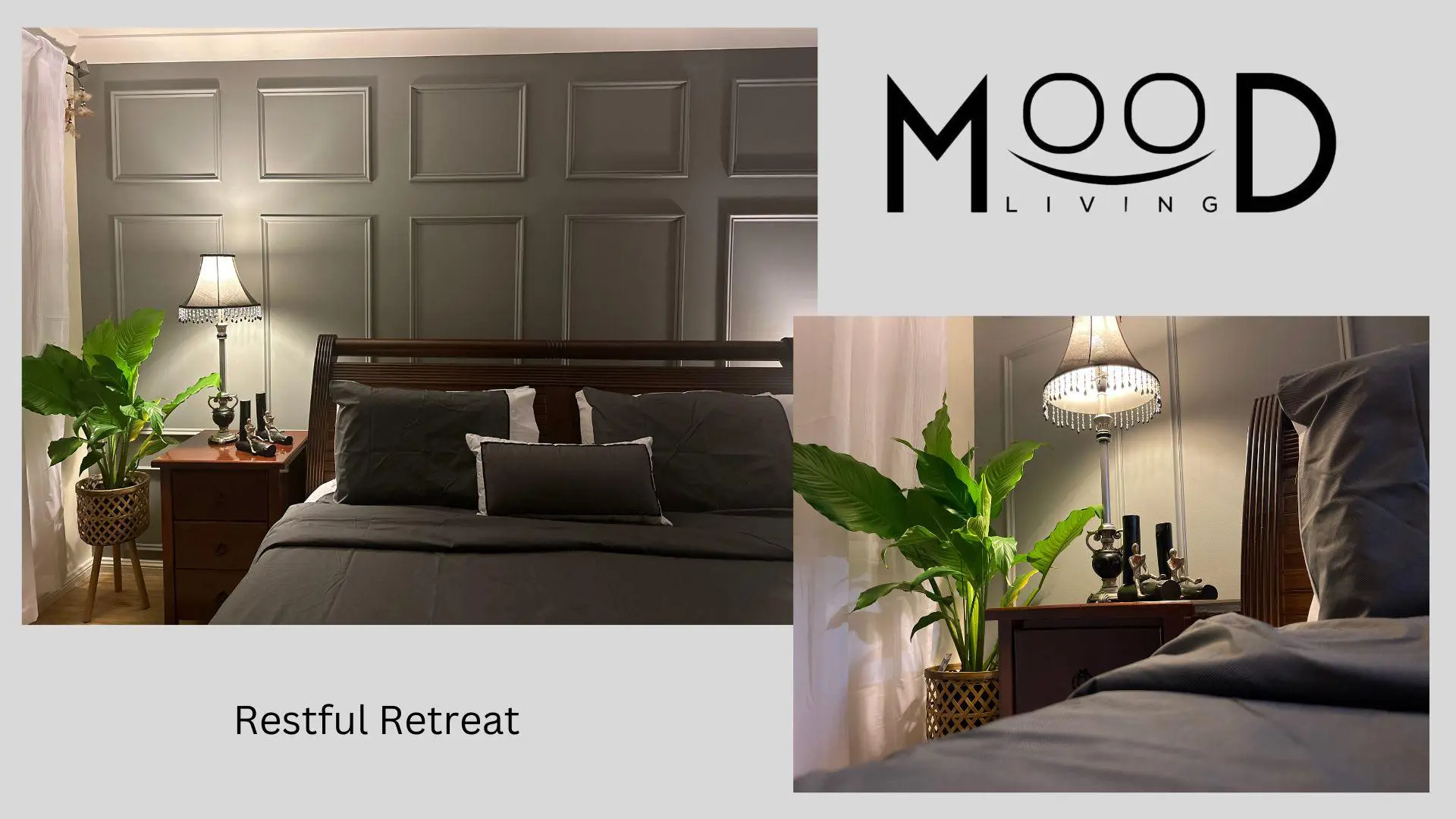
Lighting is one of the most influential elements in an interior, yet it is often treated as an afterthought. A single ceiling light rarely provides the flexibility or atmosphere needed for a living room, bedroom, kitchen or open-plan space.
A considered lighting plan usually combines different types of illumination for different purposes. Ambient lighting provides general brightness, task lighting supports activities such as reading and cooking, while accent lighting can highlight artwork, joinery or architectural details.
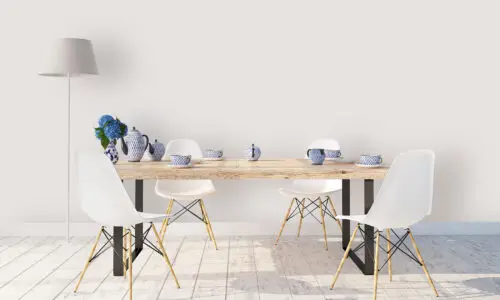
Design for Your Home — Not Just the Latest Trend
Inspiration is useful, but your home should ultimately respond to your architecture, lifestyle and personal preferences. A room copied directly from a trend can date quickly or simply feel disconnected from the people who live there.
Mood Living’s modern interior design in Sydney focuses on combining clean design with warmth, functionality and comfortable everyday living.
Following Interior Trends Too Closely
Social media and design platforms provide endless inspiration, but rapidly changing trends can encourage homeowners to make decisions that do not suit their property or long-term preferences.
Instead of making every major selection trend-led, consider creating a timeless foundation through flooring, cabinetry, larger furniture and permanent finishes. More expressive trends can then be introduced through artwork, cushions, occasional furniture and accessories that are easier to update.
If you prefer a current aesthetic that still feels comfortable and considered, explore contemporary interior design in Sydney.
Choosing Paint Colours Without Considering the Whole Room
A paint colour never exists in isolation. Flooring, cabinetry, stone, furniture, natural light, window direction and artificial lighting can all change how a colour appears.
A neutral that looks warm in one Sydney home may appear cooler or greyer in another. This is why selecting colours solely from a small swatch in a showroom can produce unexpected results.
Forgetting About Storage Until the End
A room can look beautifully styled on completion day but quickly become cluttered if everyday belongings do not have a practical place to go.
Good storage should be considered early, particularly in apartments, family homes and multifunctional rooms. The objective is not simply to add more cupboards. Storage should respond to what you own, where you use it and how frequently you need access to it.
- Use full-height storage where appropriate.
- Consider integrated joinery for awkward spaces.
- Combine concealed storage with selected open shelving.
- Plan entry storage for shoes, bags and everyday items.
- Use multifunctional furniture in compact rooms.
Pushing Every Piece of Furniture Against the Wall
It can seem logical to push sofas and chairs against the perimeter to create more floor space. In some rooms, however, this creates an empty centre and makes conversation areas feel disconnected.
Where space allows, bringing furniture slightly inward can create a more intentional arrangement. In open-plan homes, furniture placement can also help define separate living, dining and circulation zones.
Using Too Many Competing Materials and Finishes
Timber, stone, metal, tiles, paint, fabrics and decorative finishes can add depth and character. But when too many unrelated finishes compete within one space, the result can feel visually busy.
A more refined approach is to develop a controlled material palette and repeat selected colours, textures or finishes throughout connected areas.
This becomes particularly important in open-plan Sydney homes where kitchens, dining areas and living spaces can often be seen at the same time.
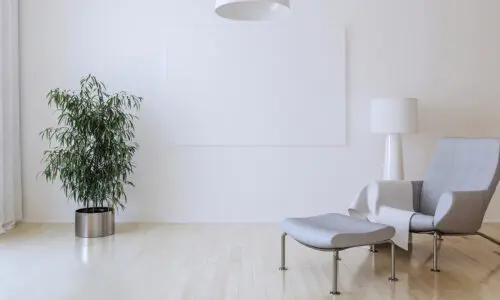
Buying Everything From the Same Furniture Collection
Matching furniture sets can make purchasing easier, but using the same collection throughout an entire room can sometimes make the interior feel more like a showroom than a personal home.
Character often comes from carefully combining complementary pieces rather than perfectly matching everything. Different textures, shapes, materials, artwork and meaningful objects can make the room feel collected and individual while still maintaining visual harmony.
For homeowners seeking a more elevated finish, professional luxury interior design in Sydney can help coordinate furniture, materials, lighting and details without relying on excessive decoration.
The Most Expensive Mistake: Designing Too Late
One of the biggest mistakes homeowners can make during a renovation is treating interior design as something that happens after construction decisions have already been made.
Furniture layouts can influence power-point positions. Joinery affects lighting. Flooring affects the colour palette. Kitchen finishes connect visually with adjoining living areas. Decisions made in isolation can create compromises later.
Engaging design support earlier gives you an opportunity to consider these connected decisions before expensive work is completed.
Explore Renovation Design Sydney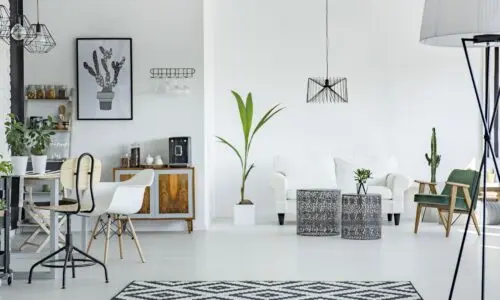
Leaving Interior Design Until Late in a Renovation
When major decisions are made before the overall interior direction has been established, homeowners can end up changing selections, compromising layouts or spending additional money correcting details that could have been resolved earlier.
- Consider furniture layouts before finalising electrical positions.
- Coordinate flooring, cabinetry, stone, tiles and paint colours.
- Plan lighting around how each room will actually be used.
- Consider storage before walls and joinery are finalised.
- Develop a consistent material direction across connected spaces.
Mood Living’s Sydney renovation design service helps homeowners coordinate these decisions as part of a clearer overall design direction.
Designing Every Room Separately
Individual rooms do not need to look identical, but they should feel as though they belong to the same home. Using completely different colours, flooring, metals and design styles in each room can interrupt the visual flow.
A cohesive home usually contains subtle repetition. This might include a consistent timber tone, recurring metal finish, related colour palette or similar approach to lighting and furniture forms.
Designing for Appearance Instead of Everyday Life
A home can photograph beautifully and still be frustrating to live in. Practical design asks questions about your actual routines before deciding how the space should look.
Do children use the living room every day? Do you work from home? Do you entertain frequently? Do you need easy-clean materials? Is storage more important than display space? Does the dining table need to accommodate large family gatherings?
These considerations should influence the design from the beginning. Your home needs to support your lifestyle rather than force your lifestyle to fit the design.
This is central to Mood Living’s approach to residential interior design: creating interiors that balance visual appeal with comfortable, practical everyday living.
A Simple Interior Design Checklist for Sydney Homeowners
Before purchasing furniture, selecting finishes or beginning a renovation, work through these questions. They can help identify problems before they become expensive to correct.
- Have I accurately measured the room?
- Do I know how people will move through the space?
- Is the furniture appropriately scaled?
- Have I planned enough practical storage?
- Does the lighting support different activities?
- Have I tested paint and material samples in the room?
- Do my finishes work together rather than individually?
- Does this room connect visually with adjoining spaces?
- Am I choosing this because I love it or because it is trending?
- Will the materials suit everyday family life?
- Have furniture layouts been considered before electrical work?
- Will I still appreciate this design in several years?
When Should You Work With an Interior Designer?
You do not necessarily need professional assistance for every decorative decision. However, design guidance can be particularly useful when several expensive or interconnected decisions need to be made.
This may include renovating a home, furnishing several rooms, selecting materials for a new property, improving a difficult layout or creating a consistent design direction throughout an existing home.
A professional designer can help you consider the complete picture before money is committed to furniture, finishes or construction.
Residential Interior Design SydneyInterior Design Services in Sydney
Different homes and projects require different levels of design support. Explore the Mood Living services most relevant to your project.
Residential Interior Design
Personalised design for Sydney homes and apartments, balancing style, comfort, functionality and everyday living.
Explore Residential Design →Renovation Design
Coordinate layouts, colours, materials, finishes, furniture and lighting before important renovation decisions are finalised.
Explore Renovation Design →Modern Interior Design
Clean, functional and welcoming modern interiors designed around contemporary Australian living.
Explore Modern Interiors →Contemporary Interior Design
Current and sophisticated interiors combining thoughtful space planning, texture, colour and practical functionality.
Explore Contemporary Design →Luxury Interior Design
Refined residential interiors shaped through proportion, quality materials, furniture, lighting and carefully considered details.
Explore Luxury Interior Design →Commercial Interior Design
Functional and visually considered interior design solutions for Sydney offices, retail environments and other commercial spaces.
Explore Commercial Design →Common Interior Design Questions From Sydney Homeowners
What is the most common interior design mistake?
One of the most common mistakes is making individual purchases without first establishing an overall plan. Furniture, lighting, colours, materials and storage should work together rather than being selected independently.
How can I make my Sydney home look professionally designed?
Begin with a clear layout and consistent colour and material palette. Choose furniture that is correctly scaled, layer your lighting, incorporate practical storage and repeat selected materials or tones throughout connected areas. Thoughtful editing is often more effective than adding more décor.
How do I avoid buying furniture that is too large?
Measure the room and furniture carefully before purchasing. Marking the proposed furniture footprint on the floor with painter’s tape can help you understand how much physical space it will occupy and whether circulation will remain comfortable.
Should every room in my house have the same colour scheme?
No. Rooms can have their own character while still sharing a common visual language. Repeating selected colours, timber tones, metals or materials can create continuity without making every room look identical.
When should I hire an interior designer for a renovation?
Ideally, design input should happen before important layouts, finishes, joinery, lighting and electrical decisions are finalised. Early planning allows connected decisions to be considered together and can reduce avoidable changes later.
Is modern interior design suitable for family homes?
Yes. Modern interior design does not have to feel cold or minimal. A well-designed modern family home can combine clean lines with durable materials, comfortable furniture, practical storage, warm textures and flexible spaces.
How can I make a small room feel larger?
Use appropriately scaled furniture, maintain clear circulation, avoid unnecessary clutter, maximise natural light and choose storage carefully. A well-proportioned layout usually has a greater impact than simply using light-coloured paint.
Should I choose furniture or paint colour first?
In many projects it is useful to establish the broader design direction and major furniture or fixed finishes before finalising paint. Paint colours can then be selected to complement the materials, natural light and furnishings already planned for the space.
Avoid Costly Design Mistakes Before They Happen
Whether you are furnishing a new home, refreshing an existing space or planning a renovation, thoughtful decisions at the beginning can make the entire project more cohesive.
Mood Living creates personalised interiors for Sydney homes, apartments and renovations, considering layout, furniture, colour, finishes, lighting, storage and styling as connected parts of the same design.
Discover Mood Living Call 0433 108 186Tell Us About Your Space
Share a few details about your Sydney home, apartment or renovation and the type of interior design assistance you are looking for.
Thoughtful Interior Design for Sydney Homes
Avoiding common interior design mistakes is not about following rigid rules. It is about making deliberate decisions that suit your property, lifestyle, budget and personal style.
From furniture scale and lighting to storage, colour, materials and renovation planning, each decision contributes to how your home ultimately looks and functions. Creating a clear design direction before purchasing or renovating can help you achieve a more cohesive result.
Mood Living provides professional interior design services across Sydney, helping homeowners create practical, comfortable and personalised interiors. Explore our residential interior design, renovation design, modern interior design, contemporary interior design and luxury interior design services to find the right direction for your project.