
Living room design guide | Sydney, NSW | Mood Living
How to Design a Spacious Living Room in Sydney
A spacious living room should feel open, comfortable and easy to use—not simply empty. Whether you have a generous family room in the Hills District, a contemporary Sydney apartment or an open-plan living area, the right furniture layout, lighting and finishes can make the room feel balanced and welcoming.
Quick answer: To design a spacious living room, create clear walking routes, anchor seating with a correctly sized rug, choose furniture in proportion to the room, layer lighting and use storage to control clutter. Divide large rooms into purposeful zones without blocking natural light.
At Mood Living, we help Sydney homeowners plan interiors around their space, lifestyle and personal taste.
Discuss Your Living Room Design
1. Start With a Living Room Floor Plan
Measure the room’s length, width and ceiling height. Mark doors, windows, power points, air-conditioning vents and the position of any television or fireplace. Next, sketch the main routes people take between the kitchen, hallway, outdoor area and seating.
- Keep everyday walkways comfortably clear; around 900 mm is a useful starting point where the room allows.
- Allow approximately 400–450 mm between a sofa and coffee table, then adjust for legroom and access.
- Position chairs so people can talk naturally rather than placing every seat against a wall.
- Check door swings, sliding doors and access to storage before ordering furniture.
These are practical planning guides, not mandatory building dimensions. Your layout should respond to the actual room and household needs.
2. Create Zones in a Big Living Room
A large living room often works best when it serves more than one purpose. Rather than filling the entire space with one oversized lounge suite, create two or three coordinated areas.
Conversation and entertaining zone
Group a sofa and armchairs around a central coffee table. A large rug can visually connect the seating and make the arrangement feel intentional.
Reading or relaxation corner
Add a comfortable chair, a floor lamp and a small side table near a window. This gives an otherwise unused corner a clear purpose.
Flexible family zone
Where appropriate, use low-profile storage, a console or a second rug to define a children’s play area, music corner or casual sitting space. Maintain sightlines across the room.
3. Choose Furniture That Matches the Room’s Scale
Furniture that is too small can look lost in a large room, while bulky pieces can interrupt movement. Choose a sofa with enough visual presence to anchor the main seating zone, then balance it with armchairs, side tables and a coffee table.
Modular lounges can work well in family homes because they adapt to different arrangements. In smaller Sydney apartments, a raised-leg sofa and slimmer armchairs may make the floor area feel more visible.
Before buying, mark each furniture footprint on the floor with painter’s tape. This simple step helps you assess circulation and proportion.
4. Use a Large Rug to Anchor the Seating
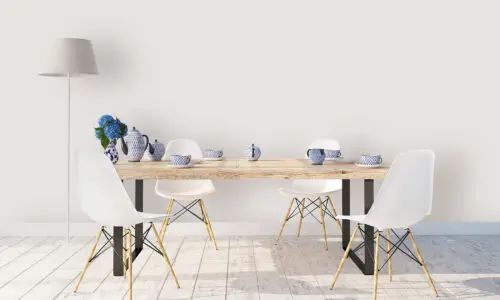
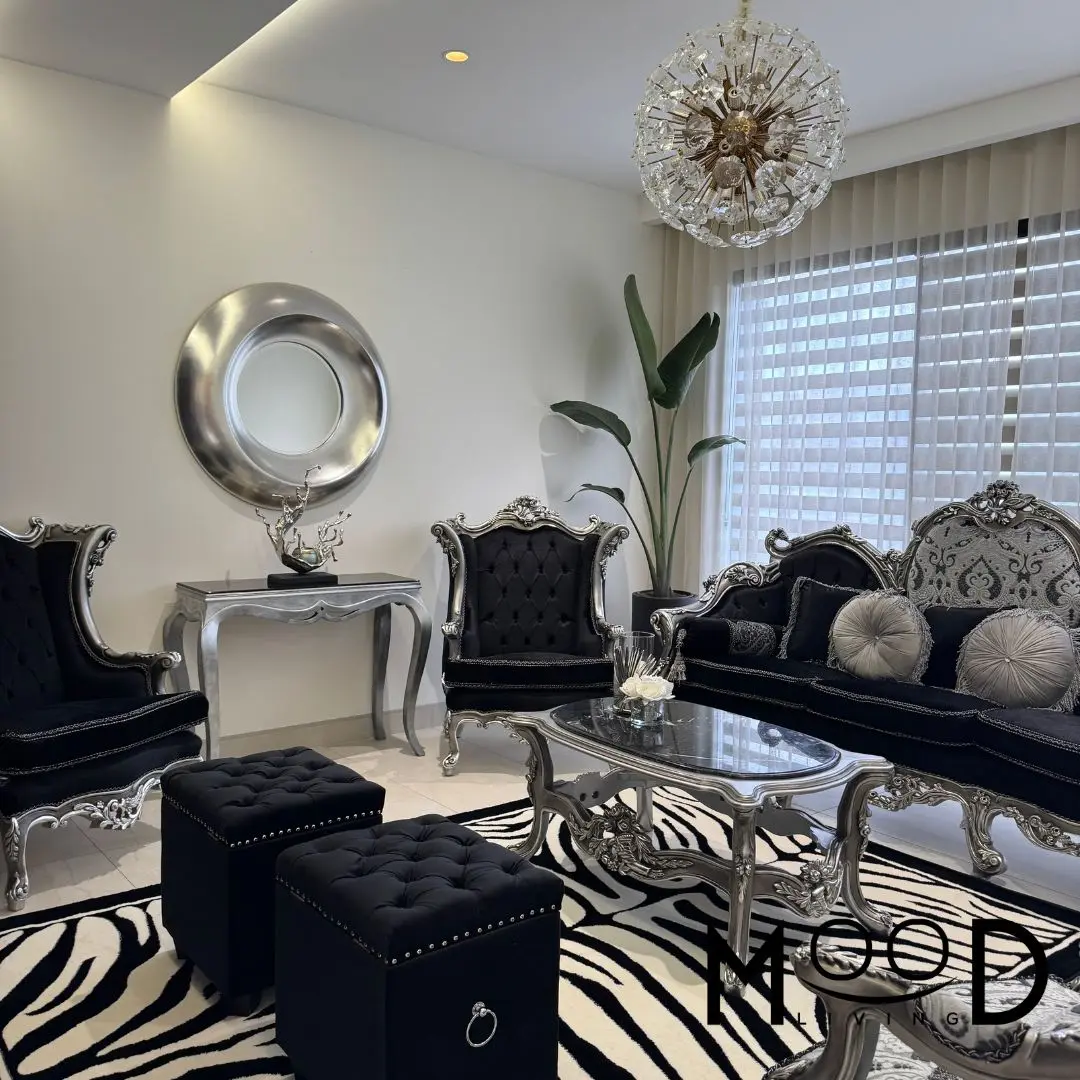
In an expansive room, a rug can stop furniture from appearing disconnected. Ideally, the front legs of the main sofa and chairs should sit on the rug; a larger rug that accommodates all the seating can look even more cohesive.
Choose durable, easy-care materials for high-traffic family spaces. In open-plan homes, different rugs can help separate the living and dining zones without constructing partitions.
5. Select a Light, Layered Colour Palette
Warm whites, soft greys, sandy beige, muted sage and gentle blue tones can help a room feel calm and cohesive. Introduce contrast through timber, artwork, cushions and textured fabrics so the space does not feel flat.
For a coastal look, explore Hamptons style interior design ideas. For clean-lined spaces, see our modern interior design in Sydney services.
Dark colours can also work beautifully in a big living room, especially where there is strong natural light. The key is balance rather than a rule that every large room must be white.
6. Layer Natural and Artificial Lighting
Good lighting makes a large room comfortable at different times of day. Combine general ceiling lighting with task lamps near seating and subtle accent lighting for shelves or artwork.
- Use sheer window furnishings where privacy and glare requirements allow.
- Add floor or table lamps to soften dark corners.
- Choose warm, consistent light tones for relaxing areas.
- Consider dimmers and separately controlled lighting zones for entertaining.
- Protect furniture and flooring from strong direct sunlight where necessary.
For electrical changes, engage an appropriately licensed electrician.
7. Add Storage Without Overcrowding
Even a large room can feel busy when everyday items lack a home. Built-in cabinetry, closed sideboards and low-profile media units can reduce visual clutter. Mix concealed storage with a few open shelves for books and decorative pieces.
If your project involves changes to joinery, walls or room planning, our renovation design Sydney page explains how design planning can support a broader update.
8. Make the Room Feel Inviting With Texture and Art
Spacious living rooms benefit from layers of texture: linen, wool, timber, ceramics and soft upholstery. Choose artwork sized to suit the wall and furniture beneath it. One substantial artwork may create a stronger focal point than many small pieces scattered across a large wall.
Use cushions, throws, greenery and decorative objects selectively. Leave some negative space so the room can breathe.
9. Adapt the Design to Sydney Homes
| Home type | Recommended approach |
|---|---|
| Open-plan family home | Define living and dining zones with rugs, lighting and furniture placement while preserving circulation. |
| Apartment or unit | Prioritise flexible furniture, concealed storage and unobstructed natural light. |
| Period home | Respect existing architectural details and balance them with contemporary comfort. |
| Indoor–outdoor home | Connect furniture orientation and materials with the adjoining outdoor area. |
Our residential interior design Sydney service can help develop a cohesive scheme across the living room and adjoining spaces. Apartment owners can also explore apartment interior design.
10. Common Mistakes When Designing a Large Living Room
- Pushing all furniture against the walls: This often leaves an awkward empty centre and makes conversation difficult.
- Choosing an undersized rug: Small rugs can make the seating arrangement feel fragmented.
- Using only overhead lights: Large rooms need more than one lighting source for comfort.
- Ignoring room acoustics: Rugs, curtains and upholstered pieces can help soften sound in hard-surfaced spaces.
- Buying before measuring: Furniture may look suitable online but overwhelm the room once delivered.
- Overdecorating: Too many small accessories create clutter instead of a curated look.
Read more in our guide to common interior design mistakes Sydney homeowners make.
11. How Much Does It Cost to Design a Spacious Living Room in Sydney?
The budget depends on the room size, whether you are retaining existing furniture, the quality of new furnishings, any custom joinery and whether building or electrical work is required. A styling refresh will usually have a different scope from a full renovation.
Ask for a written proposal that separates design services, furnishings, trade work and any project management fees. Set a realistic contingency for unforeseen costs, especially in renovation projects.
For budget-conscious approaches, see affordable interior design ideas for Sydney homes.
12. A Simple Living Room Design Checklist
- Measure the room and identify natural walkways.
- Decide how your family uses the space every day.
- Choose a focal point and arrange the main seating around it.
- Select a correctly proportioned rug and furniture.
- Plan lighting and storage before final styling.
- Choose a cohesive colour and material palette.
- Review the arrangement from each doorway and main seating position.
- Confirm your budget and installation requirements.
Frequently Asked Questions
How do I make a big living room feel cosy?
Create smaller seating groups, use a generous rug, layer warm lighting and introduce soft textures. A large room feels more welcoming when each area has a clear purpose.
Should furniture touch the walls in a large living room?
Not necessarily. Floating the sofa or chairs away from the walls can create a more intimate seating arrangement while leaving circulation routes around the furniture.
What colours make a living room look spacious?
Light neutral colours can create an airy effect, but consistent finishes, natural light and uncluttered sightlines are just as important. Dark accent colours can add depth without making a large room feel cramped.
What is the best layout for a long living room?
Divide the room into two functional zones, such as a conversation area and a reading corner. Use rugs and furniture placement to define each zone while keeping a clear pathway through the room.
How do you decorate a large empty wall?
Consider one oversized artwork, a carefully arranged gallery wall, built-in shelving or a textured finish. Choose a scale that complements the furniture rather than filling every centimetre.
Can an interior designer help with furniture placement only?
Some designers offer space planning or styling consultations without a full renovation. Ask what is included in the proposed service and whether drawings or furniture recommendations are supplied.
Is Hamptons style suitable for a spacious Sydney living room?
Yes. Hamptons-inspired interiors can suit generous Sydney living rooms through layered neutrals, natural textures, comfortable upholstery and balanced furniture arrangements. Explore Hamptons style interior design in Sydney.
Design a Living Room That Works for Your Lifestyle
A successful living room is not defined by its floor area alone. Thoughtful planning can make a large space feel connected, practical and personal.
Mood Living can help you explore furniture layouts, finishes and design directions for your Sydney home. Discover our contemporary interior design approach or browse our projects for inspiration.
Ready to discuss your space? Send your room dimensions, photos and ideas through our enquiry form.
Contact Mood LivingRequest an Interior Design Consultation
Tell us about your living room and what you would like to achieve.
Insert WPForms shortcode here: