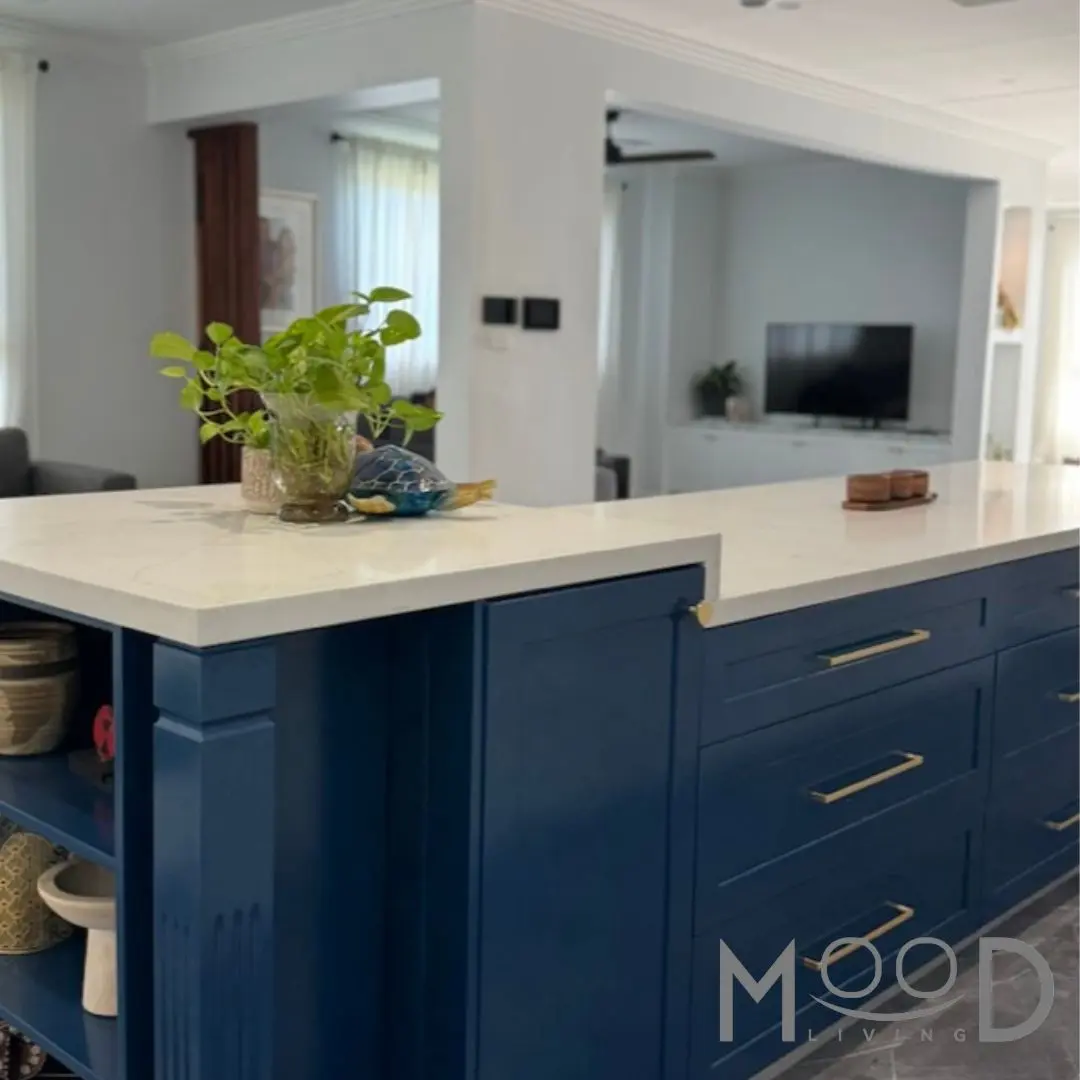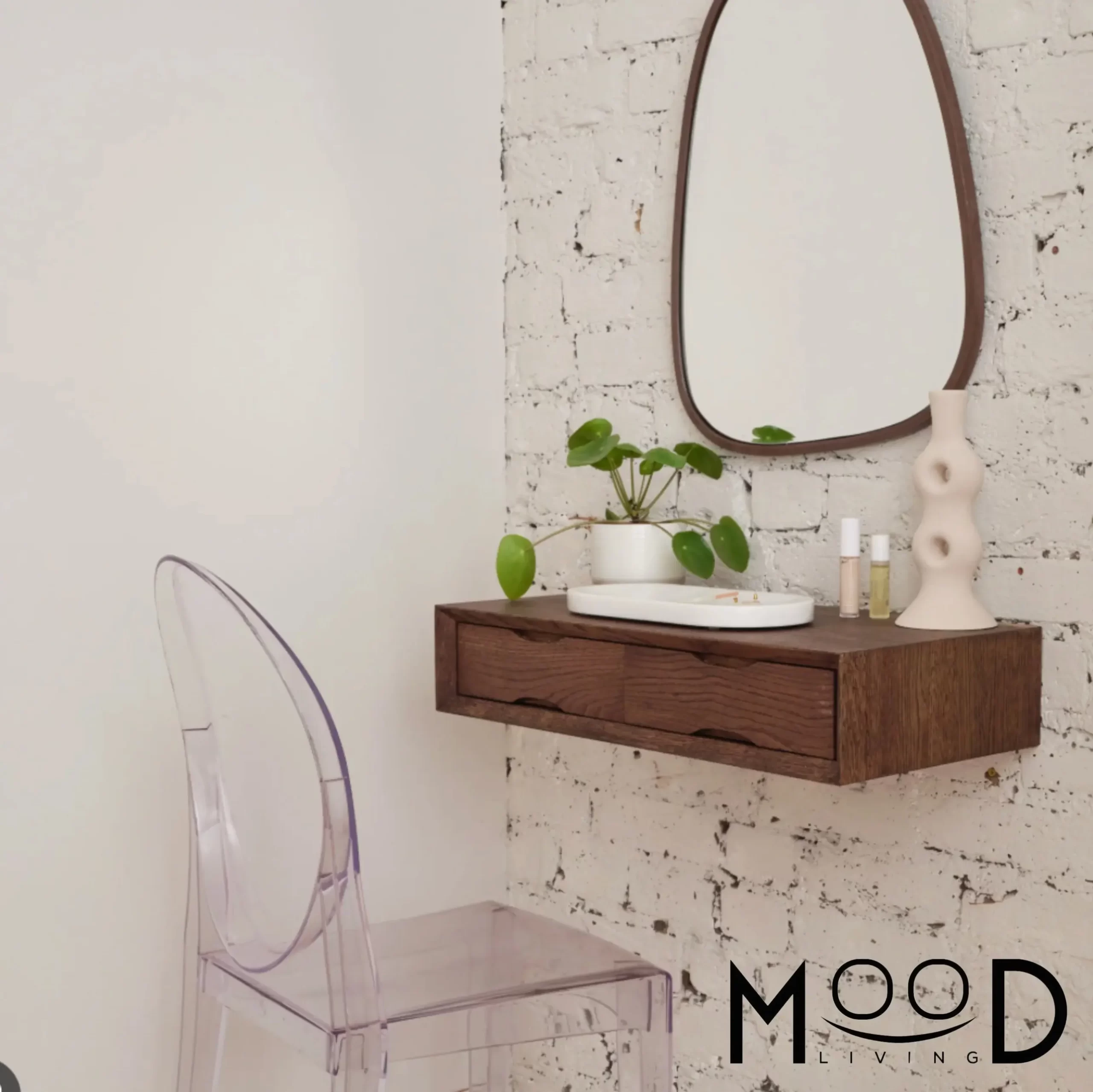
Unlock the Potential of Your Space: Do You Need an Interior Designer?

October 23, 2026

Mood Living | Sydney Interior Design Advice

Do You Need an Interior Designer? A Practical Guide for Sydney Homeowners

Do you need an interior designer? Not every home project requires professional help. If you are replacing a rug or choosing cushions, you may feel confident doing it yourself. But if you are renovating, furnishing multiple rooms or struggling with layout, colours and furniture choices, an interior designer can help you make a clear plan.

For Sydney homeowners, a well-considered design approach can make spaces more functional, cohesive and comfortable. The right level of support depends on your budget, timeline, confidence and project complexity.

In this guide, Mood Living explains when an interior designer is useful, when DIY may be enough, what designers do, how fees work and what to ask before hiring.

Explore our residential interior design services in Sydney or see our interior design projects.

What Does an Interior Designer Actually Do?

An interior designer helps plan how an indoor space should look, feel and function. Depending on the agreed scope, this can include reviewing layouts, developing a design concept, selecting colours and finishes, advising on furniture and lighting, and coordinating the overall visual direction.

For more complex projects, designers may work alongside builders, architects and other qualified professionals. Structural, electrical and plumbing work must still be handled by appropriately licensed practitioners.

Unlike choosing individual decorative items, interior design considers how all the elements of a room work together.
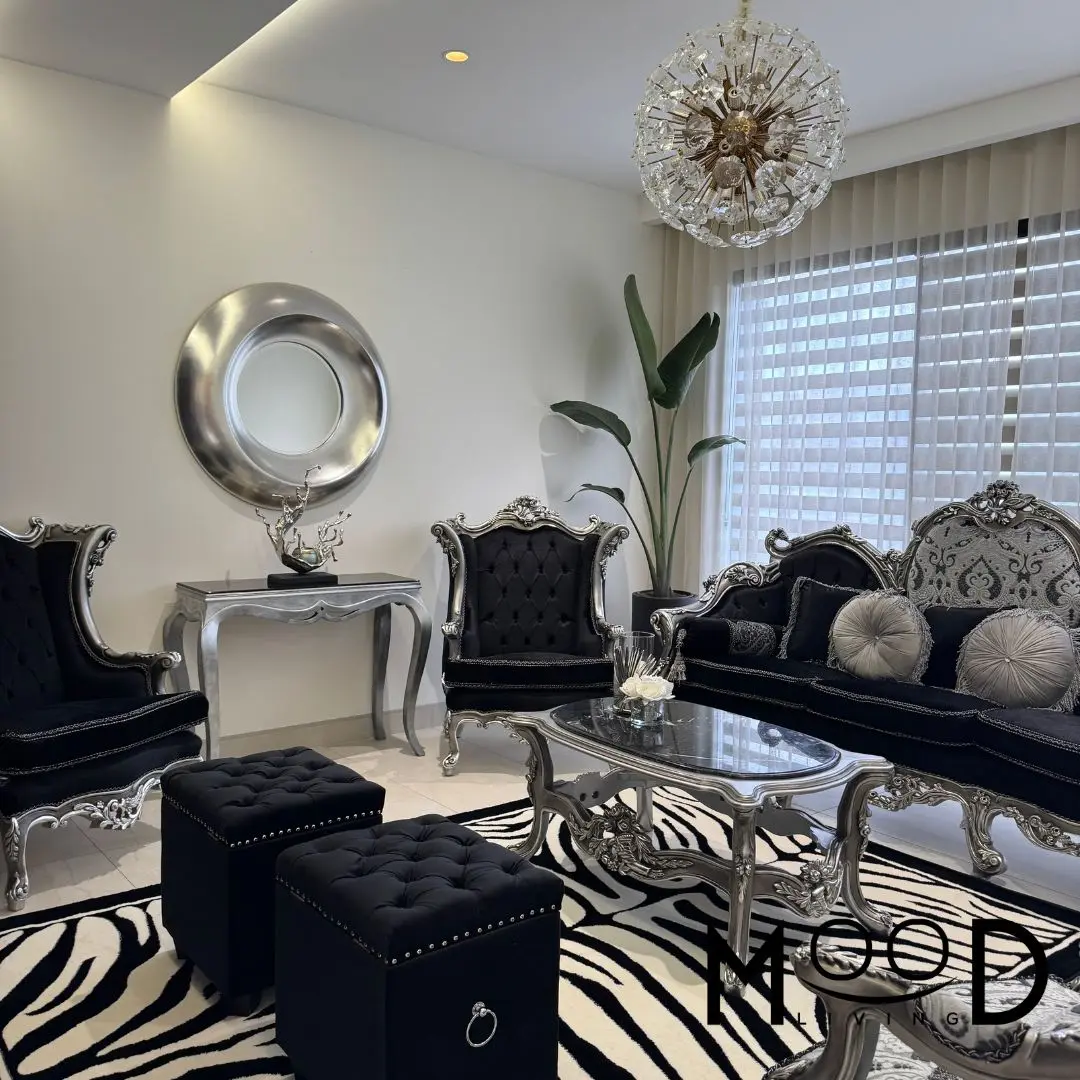
Contemporary living room interior design inspiration for Sydney homes
Thoughtful planning creates cohesive interiors.

7 Signs You May Benefit from Hiring an Interior Designer

  1. You are renovating several rooms. Coordinating layouts, finishes and furniture across spaces can be difficult without an overall plan.
  2. You are furnishing a new home. Furniture dimensions, circulation space, lighting and storage are easier to consider before making purchases.
  3. Your rooms feel awkward or crowded. Space planning may help improve furniture placement and everyday usability.
  4. You like several styles but cannot combine them. A design concept can bring different influences into a cohesive scheme.
  5. You are worried about costly purchasing mistakes. Checking measurements, finishes and suitability before ordering can reduce avoidable errors.
  6. You have limited time to research products. A designer may help narrow choices within the agreed service scope.
  7. You want a more personalised result. Design advice can help align your home with your routines, tastes and priorities.
Interior decoration and furniture styling ideas for Sydney homeowners
Small styling updates may not require a full design project.

When You Might Not Need an Interior Designer

Professional design support is optional for many smaller home improvements. You may prefer a DIY approach if you are happy with your layout and only need to refresh a few decorative details.

  • Replacing cushions, throws or small accessories.
  • Hanging artwork in a room with an established style.
  • Rearranging furniture you already own.
  • Painting a small room when you have a clear colour choice.
  • Making low-cost changes you can easily reverse.

If you are unsure, a limited consultation may be a useful middle ground between DIY and a full-service design project.

Interior Designer vs Interior Decorator: What’s the Difference?

Interior Designer

May help with space planning, layout concepts, functional requirements, finishes, lighting and furniture selection, depending on project scope.

Explore modern interior design

Interior Decorator

Usually focuses on furniture, colours, soft furnishings, accessories and styling rather than structural changes.

Explore decorating services

Renovation Specialists

Builders, architects and other qualified trades may be required for approvals, structural changes and regulated building work.

Explore renovation design

Is Hiring an Interior Designer Worth the Cost?

The value depends on the project. For a small cosmetic refresh, you might achieve your goals independently. For a whole-home update or renovation, professional planning may help clarify decisions before money is committed to furnishings and finishes.

An interior designer cannot guarantee savings, a higher property value or a particular outcome. However, a clear brief, realistic budget and agreed deliverables can help you judge whether the service offers value for your situation.

Practical tip: Compare the cost of design support with the potential cost of incorrect furniture sizes, unsuitable finishes, repeated purchases and time spent coordinating decisions.

How Much Does an Interior Designer Cost in Sydney?

Fees vary with the number of rooms, complexity of the project, level of design detail and type of support requested. Designers may charge for consultations, hourly work, a fixed project scope or other agreed arrangements.

Before proceeding, request written details covering design fees, drawings or concepts included, revisions, product sourcing, installation coordination, travel and any extra costs. Furniture, materials and trade work may be charged separately.

For a budget-conscious approach, start with your highest-priority room or discuss a limited design consultation. Read more about affordable interior designers in Sydney.
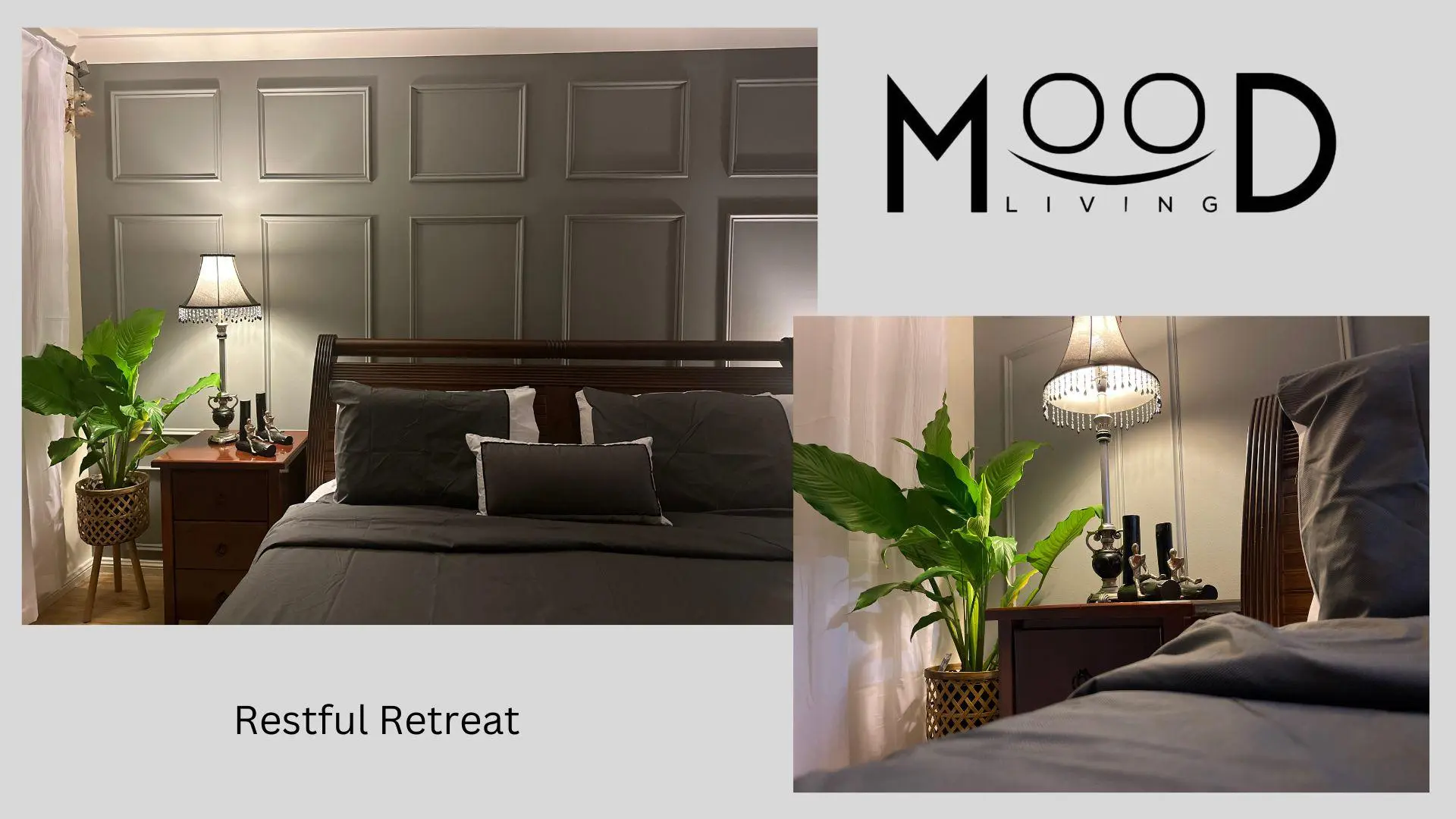
Modern apartment and home interior styling inspiration Sydney
Choose the level of design help that suits your budget.

Which Sydney Home Projects Benefit Most from Design Support?

New Homes

Plan room functions, furniture sizes, lighting and cohesive finishes before furnishing a newly completed home.

Apartment Interiors

Make compact spaces work harder with appropriate furniture scale, storage and multifunctional layouts.

Apartment design Sydney

Home Renovations

Coordinate the design direction across existing and updated rooms, alongside qualified project professionals.

Renovation design Sydney

Living Room Makeovers

Review seating arrangements, rugs, lighting, artwork and storage to create a comfortable shared space.

Bedrooms

Develop a calming scheme with practical storage, suitable bedside lighting and comfortable furnishings.

Whole-Home Styling

Use a consistent palette and complementary materials while allowing individual rooms to retain personality.

Questions to Ask Before Hiring an Interior Designer

  • Have you worked on homes similar in size and style to mine?
  • What is included in the quoted design fee?
  • How many design concepts or revisions are included?
  • Can you work with existing furniture and a fixed budget?
  • Who purchases products and manages deliveries?
  • What is the expected timeline and how are changes handled?
  • Will I receive drawings, schedules, mood boards or product lists?
  • Are trade services and site visits included or charged separately?

Review examples of previous work and agree on the scope in writing before committing.
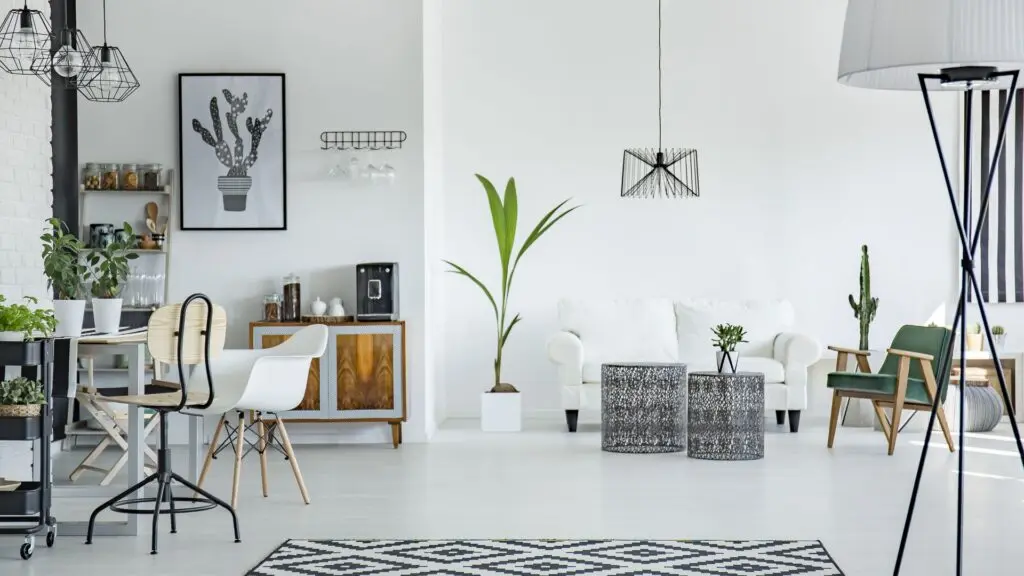
Mood Living contemporary residential interior design inspiration
Interior design should reflect how you live.

How Mood Living Can Help Sydney Homeowners

Mood Living welcomes enquiries about residential interior design, decorating, apartment styling and renovation design in Sydney. Our approach starts with understanding your property, preferred style, practical needs and budget priorities.

Depending on the agreed scope, we can discuss layout ideas, furniture, colours, materials and decorative finishes to help establish a coordinated direction.

Explore residential interior design, contemporary interiors and more about Mood Living.

Interior Design Advice for Sydney and Surrounding Suburbs

Whether you are updating an apartment in Parramatta, a family home in Castle Hill or a property in Norwest, Kellyville, Bella Vista, Rouse Hill or elsewhere in Sydney, the decision to hire a designer should be based on the needs of your specific project. Contact Mood Living to discuss service availability and your preferred consultation arrangements.

Frequently Asked Questions: Do You Need an Interior Designer?

Do I need an interior designer for just one room?

Not necessarily. If you know what you want, you may be comfortable decorating independently. A consultation can help if the room has layout challenges or you need a cohesive plan.

Should I hire an interior designer before renovating?

Early design input can help clarify layouts, finishes and furnishings. Building approvals and regulated work should still be managed by appropriately qualified professionals.

Can an interior designer work with my existing furniture?

Often, yes. Discuss which pieces you want to retain and whether they suit the room’s dimensions and design direction.

Is an interior designer worth it for a small apartment?

Design advice may be useful when storage, circulation and furniture dimensions are difficult to resolve, but a full-service project is not always necessary.

Can I hire a designer on a limited budget?

You can ask about a smaller scope, a single-room service or a consultation. Confirm what is included and any additional fees before booking.

How do I prepare for an interior design consultation?

Bring room measurements, photos, inspiration examples, a list of existing furniture and a realistic budget range. Explain what is and is not working in your current space.

Final Verdict: Do You Really Need an Interior Designer?

If you have a straightforward decorating task and feel confident making decisions, you may not need one. If your project involves several rooms, complex layouts, expensive purchases or a major renovation, professional design guidance may be worthwhile.

The best choice is the one that suits your goals, available budget and preferred level of involvement. For more ideas, explore our guide to affordable interior design ideas for Sydney homes.

Not Sure Where to Start?

Tell Mood Living about your Sydney home and the changes you are considering. We can discuss the next step for your project.

Contact Mood Living
How to Design a Spacious Living Room in Sydney

October 18, 2026

Living room design guide | Sydney, NSW | Mood Living

How to Design a Spacious Living Room in Sydney

A spacious living room should feel open, comfortable and easy to use—not simply empty. Whether you have a generous family room in the Hills District, a contemporary Sydney apartment or an open-plan living area, the right furniture layout, lighting and finishes can make the room feel balanced and welcoming.

Quick answer: To design a spacious living room, create clear walking routes, anchor seating with a correctly sized rug, choose furniture in proportion to the room, layer lighting and use storage to control clutter. Divide large rooms into purposeful zones without blocking natural light.

At Mood Living, we help Sydney homeowners plan interiors around their space, lifestyle and personal taste.

Discuss Your Living Room Design
Sydney living room interior design inspiration with coordinated furniture and finishes
Plan seating, circulation and light before selecting decorative details.

1. Start With a Living Room Floor Plan

Measure the room’s length, width and ceiling height. Mark doors, windows, power points, air-conditioning vents and the position of any television or fireplace. Next, sketch the main routes people take between the kitchen, hallway, outdoor area and seating.

  • Keep everyday walkways comfortably clear; around 900 mm is a useful starting point where the room allows.
  • Allow approximately 400–450 mm between a sofa and coffee table, then adjust for legroom and access.
  • Position chairs so people can talk naturally rather than placing every seat against a wall.
  • Check door swings, sliding doors and access to storage before ordering furniture.

These are practical planning guides, not mandatory building dimensions. Your layout should respond to the actual room and household needs.

2. Create Zones in a Big Living Room

A large living room often works best when it serves more than one purpose. Rather than filling the entire space with one oversized lounge suite, create two or three coordinated areas.

Conversation and entertaining zone

Group a sofa and armchairs around a central coffee table. A large rug can visually connect the seating and make the arrangement feel intentional.

Reading or relaxation corner

Add a comfortable chair, a floor lamp and a small side table near a window. This gives an otherwise unused corner a clear purpose.

Flexible family zone

Where appropriate, use low-profile storage, a console or a second rug to define a children’s play area, music corner or casual sitting space. Maintain sightlines across the room.

Sydney design tip: For indoor–outdoor homes, keep the route to the balcony, courtyard or alfresco area open so the living room connects naturally with outdoor spaces.

3. Choose Furniture That Matches the Room’s Scale

Furniture that is too small can look lost in a large room, while bulky pieces can interrupt movement. Choose a sofa with enough visual presence to anchor the main seating zone, then balance it with armchairs, side tables and a coffee table.

Modular lounges can work well in family homes because they adapt to different arrangements. In smaller Sydney apartments, a raised-leg sofa and slimmer armchairs may make the floor area feel more visible.

Before buying, mark each furniture footprint on the floor with painter’s tape. This simple step helps you assess circulation and proportion.

Mood Living interior styling reference for sofa proportions and living room furniture placement
Coordinate sofa dimensions, tables and rugs rather than choosing each piece in isolation.

4. Use a Large Rug to Anchor the Seating

In an expansive room, a rug can stop furniture from appearing disconnected. Ideally, the front legs of the main sofa and chairs should sit on the rug; a larger rug that accommodates all the seating can look even more cohesive.

Choose durable, easy-care materials for high-traffic family spaces. In open-plan homes, different rugs can help separate the living and dining zones without constructing partitions.

5. Select a Light, Layered Colour Palette

Warm whites, soft greys, sandy beige, muted sage and gentle blue tones can help a room feel calm and cohesive. Introduce contrast through timber, artwork, cushions and textured fabrics so the space does not feel flat.

For a coastal look, explore Hamptons style interior design ideas. For clean-lined spaces, see our modern interior design in Sydney services.

Dark colours can also work beautifully in a big living room, especially where there is strong natural light. The key is balance rather than a rule that every large room must be white.

6. Layer Natural and Artificial Lighting

Good lighting makes a large room comfortable at different times of day. Combine general ceiling lighting with task lamps near seating and subtle accent lighting for shelves or artwork.

  • Use sheer window furnishings where privacy and glare requirements allow.
  • Add floor or table lamps to soften dark corners.
  • Choose warm, consistent light tones for relaxing areas.
  • Consider dimmers and separately controlled lighting zones for entertaining.
  • Protect furniture and flooring from strong direct sunlight where necessary.

For electrical changes, engage an appropriately licensed electrician.

7. Add Storage Without Overcrowding

Even a large room can feel busy when everyday items lack a home. Built-in cabinetry, closed sideboards and low-profile media units can reduce visual clutter. Mix concealed storage with a few open shelves for books and decorative pieces.

If your project involves changes to joinery, walls or room planning, our renovation design Sydney page explains how design planning can support a broader update.

8. Make the Room Feel Inviting With Texture and Art

Spacious living rooms benefit from layers of texture: linen, wool, timber, ceramics and soft upholstery. Choose artwork sized to suit the wall and furniture beneath it. One substantial artwork may create a stronger focal point than many small pieces scattered across a large wall.

Use cushions, throws, greenery and decorative objects selectively. Leave some negative space so the room can breathe.

Interior design styling inspiration with balanced colours, furnishings and decorative details
Textures and considered focal points bring warmth to generous interiors.

9. Adapt the Design to Sydney Homes

Home typeRecommended approach
Open-plan family homeDefine living and dining zones with rugs, lighting and furniture placement while preserving circulation.
Apartment or unitPrioritise flexible furniture, concealed storage and unobstructed natural light.
Period homeRespect existing architectural details and balance them with contemporary comfort.
Indoor–outdoor homeConnect furniture orientation and materials with the adjoining outdoor area.

Our residential interior design Sydney service can help develop a cohesive scheme across the living room and adjoining spaces. Apartment owners can also explore apartment interior design.

10. Common Mistakes When Designing a Large Living Room

  • Pushing all furniture against the walls: This often leaves an awkward empty centre and makes conversation difficult.
  • Choosing an undersized rug: Small rugs can make the seating arrangement feel fragmented.
  • Using only overhead lights: Large rooms need more than one lighting source for comfort.
  • Ignoring room acoustics: Rugs, curtains and upholstered pieces can help soften sound in hard-surfaced spaces.
  • Buying before measuring: Furniture may look suitable online but overwhelm the room once delivered.
  • Overdecorating: Too many small accessories create clutter instead of a curated look.

Read more in our guide to common interior design mistakes Sydney homeowners make.

11. How Much Does It Cost to Design a Spacious Living Room in Sydney?

The budget depends on the room size, whether you are retaining existing furniture, the quality of new furnishings, any custom joinery and whether building or electrical work is required. A styling refresh will usually have a different scope from a full renovation.

Ask for a written proposal that separates design services, furnishings, trade work and any project management fees. Set a realistic contingency for unforeseen costs, especially in renovation projects.

For budget-conscious approaches, see affordable interior design ideas for Sydney homes.

12. A Simple Living Room Design Checklist

  1. Measure the room and identify natural walkways.
  2. Decide how your family uses the space every day.
  3. Choose a focal point and arrange the main seating around it.
  4. Select a correctly proportioned rug and furniture.
  5. Plan lighting and storage before final styling.
  6. Choose a cohesive colour and material palette.
  7. Review the arrangement from each doorway and main seating position.
  8. Confirm your budget and installation requirements.

Frequently Asked Questions

How do I make a big living room feel cosy?

Create smaller seating groups, use a generous rug, layer warm lighting and introduce soft textures. A large room feels more welcoming when each area has a clear purpose.

Should furniture touch the walls in a large living room?

Not necessarily. Floating the sofa or chairs away from the walls can create a more intimate seating arrangement while leaving circulation routes around the furniture.

What colours make a living room look spacious?

Light neutral colours can create an airy effect, but consistent finishes, natural light and uncluttered sightlines are just as important. Dark accent colours can add depth without making a large room feel cramped.

What is the best layout for a long living room?

Divide the room into two functional zones, such as a conversation area and a reading corner. Use rugs and furniture placement to define each zone while keeping a clear pathway through the room.

How do you decorate a large empty wall?

Consider one oversized artwork, a carefully arranged gallery wall, built-in shelving or a textured finish. Choose a scale that complements the furniture rather than filling every centimetre.

Can an interior designer help with furniture placement only?

Some designers offer space planning or styling consultations without a full renovation. Ask what is included in the proposed service and whether drawings or furniture recommendations are supplied.

Is Hamptons style suitable for a spacious Sydney living room?

Yes. Hamptons-inspired interiors can suit generous Sydney living rooms through layered neutrals, natural textures, comfortable upholstery and balanced furniture arrangements. Explore Hamptons style interior design in Sydney.

Design a Living Room That Works for Your Lifestyle

A successful living room is not defined by its floor area alone. Thoughtful planning can make a large space feel connected, practical and personal.

Mood Living can help you explore furniture layouts, finishes and design directions for your Sydney home. Discover our contemporary interior design approach or browse our projects for inspiration.

Ready to discuss your space? Send your room dimensions, photos and ideas through our enquiry form.

Contact Mood Living

Request an Interior Design Consultation

Tell us about your living room and what you would like to achieve.

Insert WPForms shortcode here:

What are you needing help with?
Suitable Time

Editorial note: Dimensions are indicative planning guidelines. Confirm furniture measurements, accessibility requirements and trade-related details for your particular home.

Luxury Living: Indulging in Opulence Through Interior Elegance

September 20, 2026
Mood Living · Sydney Interior Design

Luxury Living: Creating a Home of Timeless Elegance

Luxury living is not simply about expensive furniture or extravagant finishes. The most successful luxury interiors combine thoughtful space planning, quality materials, beautiful proportions, personal details and everyday comfort.

At Mood Living, we believe a luxurious home should feel refined without feeling staged. From sophisticated Sydney apartments to spacious family homes and complete renovations, every interior can be shaped around the people who live there.

Modern Luxury

What Does Luxury Living Really Mean?

Luxury in interior design has evolved. A beautiful home no longer needs to rely on excessive decoration or obvious displays of opulence.

Modern luxury is often quieter. It can be found in the way natural light enters a room, the proportion of the furniture, the feel of natural materials, the quality of custom joinery and the way different rooms connect visually.

Most importantly, luxury should be personal. Your interior should respond to your lifestyle, architecture, routines and aesthetic rather than simply recreating a trend.

  • Thoughtful and uncluttered space planning
  • Quality materials selected with purpose
  • Comfortable, appropriately scaled furniture
  • Layered architectural and decorative lighting
  • Bespoke details that add individuality
  • A consistent visual story throughout the home
The Mood Living Approach

Luxury should feel effortless.

Rather than filling a room with statement pieces, consider how every element contributes to the overall experience. Colour, texture, furniture, artwork, lighting and negative space all need room to work together.

A sophisticated interior is often defined as much by what has been carefully edited out as by what has been added.
Design Principles

8 Elements That Create a Luxurious Interior

A high-end interior is created through a series of connected design decisions. These principles can help turn individual rooms into a cohesive and sophisticated home.

01

Refined Materials

Natural stone, timber, tactile fabrics, glass, metal and carefully selected finishes can add depth and character. The objective is material harmony rather than simply choosing the most expensive option.

02

Thoughtful Proportion

Furniture that is too small can make a large room feel disconnected, while oversized pieces can overwhelm compact spaces. Correct scale creates visual balance and makes the architecture feel more intentional.

03

Layered Lighting

Beautiful homes rarely depend on a single ceiling light. Ambient, task, accent and decorative lighting work together to create atmosphere while supporting everyday activities.

04

Custom Details

Bespoke joinery, carefully planned storage, feature walls and made-to-measure elements can give an interior its own identity while responding to the architecture of the home.

05

Texture & Layering

Linen, wool, timber, stone, rugs, curtains and soft furnishings add tactile richness. Layering becomes especially important when working with calm or neutral colour palettes.

06

Art & Personality

Artwork and meaningful objects give a beautifully designed home personality. Select pieces because they connect with you rather than simply because they match the furniture.

07

Beautiful Functionality

Luxury should make daily life easier. Comfortable seating, practical storage, clear circulation and functional layouts matter just as much as colours and finishes.

08

Visual Cohesion

Flooring, colours, finishes and design details should relate from room to room. Cohesion helps the entire property feel considered rather than designed as separate spaces.

Timeless Design

Luxury That Goes Beyond Short-Lived Trends

Interior trends can provide useful inspiration, but a home should not need to be redesigned every time tastes change. For major furniture, flooring, cabinetry and architectural finishes, longevity is often more valuable than novelty.

A timeless luxury interior can begin with a strong foundation of balanced proportions, practical layouts and coordinated materials. More expressive colours, artwork and accessories can then be layered into the scheme.

This approach makes it easier to evolve the home over time without losing the original design integrity.

Explore contemporary interior design →

Build the foundation first

  • Resolve layouts before purchasing furniture
  • Choose a coordinated material palette
  • Consider natural and artificial light together
  • Invest thoughtfully in frequently used pieces
  • Use statement features selectively
  • Allow enough visual breathing room
  • Choose details that reflect your personality
Luxury Living Rooms

Creating a Sophisticated Living Space

The living room is often one of the most visible and frequently used areas of a home. For that reason, a successful luxury living room needs to balance visual impact with genuine comfort.

Start with the layout

Establish circulation and conversation areas before choosing furniture. A strong layout gives every later design decision a clearer purpose.

Create a focal point

Artwork, a fireplace, feature joinery, an architectural detail or an attractive view can provide a natural visual anchor for the room.

Layer the finishing details

Rugs, cushions, curtains, decorative lighting, greenery and selected accessories soften the architecture and give the room warmth and personality.

Contemporary Sydney Homes

Modern Luxury: Clean, Warm and Liveable

Modern luxury interiors can combine architectural simplicity with warmth. Clean lines and uncluttered layouts provide the foundation, while timber, natural stone, textured fabrics, artwork and soft lighting prevent the home from feeling cold.

Instead of decorating every available surface, modern luxury allows important elements to stand out. A sculptural pendant, beautifully veined stone, an elegant sofa or carefully detailed joinery can become more powerful when surrounded by visual calm.

A modern luxury palette may include:

  • Warm white and soft neutral tones
  • Natural and stained timber
  • Stone and stone-inspired surfaces
  • Textured upholstery and curtains
  • Subtle metallic detailing
  • Sculptural lighting
  • Large-scale artwork
  • Indoor greenery
Bespoke Interior Design

Your Version of Luxury Should Be Personal

A luxurious home should never feel like a furniture showroom. Personalisation is what turns a polished interior into somewhere that genuinely feels like home.

Your lifestyle, favourite colours, collected artwork, entertaining habits, family needs and even the way you spend a quiet weekend can influence the design direction.

The goal is not to impose a predetermined style. It is to translate what you love into a clear, functional and cohesive interior.

Luxury Renovations

Transforming an Existing Home

Creating luxury does not always require building a new home. A well-planned renovation can transform an existing property by improving its layout, lighting, finishes, storage and overall connection between rooms.

Improve Flow

Review how people move between rooms and identify layouts that may be restricting the way the home functions.

Coordinate Finishes

Flooring, cabinetry, benchtops, tiles, paint and fixtures should form one coordinated palette rather than being selected independently.

Plan Early

Making important design decisions before construction begins can reduce uncertainty and help prevent avoidable changes later in the renovation.

Professional Design Support

Why Work With an Interior Designer?

Luxury interior design involves many connected decisions. A sofa can be beautiful on its own but wrong for the scale of the room. A stone sample may look impressive in a showroom but conflict with flooring, cabinetry or lighting once installed.

An interior designer considers these elements together, creating a clear visual direction before individual choices become expensive commitments.

  • Develop a cohesive design direction
  • Improve layouts and furniture placement
  • Coordinate colours, finishes and materials
  • Choose appropriately scaled furniture
  • Plan lighting and decorative layers
  • Reduce mismatched design decisions
  • Create a home tailored to your lifestyle
Mood Living

Luxury Interior Design in Sydney

Mood Living works with Sydney homeowners on new homes, apartments, renovations and residential interior transformations.

Depending on your project requirements, design support may include space planning, concept development, material and finish selections, furniture, lighting, joinery concepts, sourcing and final styling.

Our Approach

From Inspiration to a Beautifully Resolved Interior

1

Discover

We begin by understanding your home, lifestyle, aesthetic, priorities, challenges and the level of design support you require.

2

Define

A clear design direction is developed around layouts, colours, materials, textures and the desired character of your interior.

3

Refine

Relevant furniture, lighting, finishes, fixtures and design details are refined so individual selections work together.

4

Implement

Depending on the agreed scope, design guidance can continue as concepts and selections move towards implementation.

5

Style

Furniture placement, artwork, decorative objects and soft furnishings help bring warmth, personality and completion to the interior.

Explore Mood Living

Interior Design Services for Sydney Homes

Explore related Mood Living services for your home, apartment, renovation or interior transformation.

Frequently Asked Questions

Luxury Living & Interior Design FAQs

What is luxury interior design?

Luxury interior design is a personalised approach to creating refined, comfortable and cohesive spaces. It can combine thoughtful layouts, quality materials, furniture, lighting, bespoke details and styling rather than relying purely on expensive products.

What makes a home look luxurious?

Good proportions, uncluttered layouts, coordinated materials, layered lighting, appropriate furniture scale and careful attention to detail can all contribute to a luxurious appearance. Consistency across rooms is equally important.

Does luxury interior design have to be expensive?

Not every item needs to be premium. A considered design can prioritise investment in important, frequently used or permanent elements while using more budget-conscious choices elsewhere. Planning and coordination often matter more than simply choosing the highest-priced option.

What is modern luxury interior design?

Modern luxury typically combines clean architectural lines and uncluttered layouts with warm materials, tactile fabrics, statement lighting, carefully selected furniture and refined detailing. The result can feel contemporary without becoming cold or impersonal.

Can Mood Living help with a complete home renovation?

Mood Living provides renovation interior design services for Sydney homeowners. The exact design services and deliverables depend on the requirements and agreed scope of each project.

Does Mood Living provide luxury interior design in Sydney?

Yes. Mood Living provides luxury residential interior design services for suitable homes, apartments, new builds and renovations across Sydney and surrounding areas.

Start Your Interior Design Journey

Create a Home That Feels Unmistakably Yours

Whether you are planning a luxury renovation, furnishing a new home, updating an apartment or transforming an existing living space, the right design direction can bring clarity to every decision.

Tell Mood Living about your property, ideas and priorities and start exploring how your home could look, feel and function.

  • Luxury residential interiors
  • New homes and apartments
  • Renovation design
  • Furniture and lighting selections
  • Material and colour direction
  • Interior styling
Design Enquiry

Tell Us About Your Space

Share a few details about your home and the design support you are looking for.

What are you needing help with?
Suitable Time

The Future of Interior Design: Innovations and Trends to Watch

December 11, 2023

[vc_row][vc_column][vc_column_text]

The Future of Interior Design: Innovations and Trends to Watch

Welcome to the future of interior design, where creativity meets technology, and innovation transforms spaces. As we step into a new era, the world of interior design is evolving at a rapid pace, introducing cutting-edge trends and innovations that redefine the way we perceive and inhabit our living spaces. In this blog post, we’ll explore the exciting developments that are shaping the future of interior design and discover the trends that are set to make a lasting impact on the industry.

  1. Smart Homes, Smart Designs: In the age of technology, smart homes are no longer a distant dream but a present reality. Interior designers are integrating smart home features seamlessly into their designs, offering homeowners unprecedented control over their environments. From automated lighting and climate control to intelligent furniture that adapts to user preferences, the future of interior design is undoubtedly smart.
  2. Sustainable Sensibilities: The future of interior design is green and sustainable. As environmental consciousness grows, designers are embracing eco-friendly materials and practices. From recycled furnishings to energy-efficient designs, sustainability is no longer a trend but a fundamental consideration in the creation of beautiful and functional spaces.
  3. Biophilic Design: Nature-inspired design, known as biophilic design, is gaining momentum. Bringing the outdoors inside, designers are incorporating natural elements such as plants, natural light, and organic materials to create harmonious and calming spaces. The future of interior design seeks to establish a stronger connection between humans and nature within their living environments.
  4. Virtual and Augmented Reality (VR/AR): The integration of virtual and augmented reality is revolutionizing the interior design process. Designers can now provide clients with immersive experiences, allowing them to visualize and interact with their spaces before any construction begins. This technology enhances collaboration, minimizes errors, and ensures that the final result aligns perfectly with the client’s vision.
  5. Artificial Intelligence in Design: Artificial Intelligence (AI) is making its mark in interior design by analyzing user preferences and suggesting personalized design solutions. From furniture selection to color palettes, AI tools assist designers in creating spaces that resonate with the individual tastes and lifestyles of their clients.
  6. Flexible and Multifunctional Spaces: The future of interior design is all about adaptability. With the rise of remote work and changing lifestyle dynamics, designers are creating flexible, multifunctional spaces that can easily transform to meet various needs. From convertible furniture to modular layouts, versatility is key in the interiors of tomorrow.
  7. Cultural Fusion: Embracing diversity and celebrating different cultures, the future of interior design is witnessing a fusion of styles and influences. Designers are incorporating elements from around the world, creating eclectic and unique spaces that tell a story and reflect the global nature of our interconnected world.

Conclusion: The future of interior design is a dynamic blend of innovation, sustainability, and personalization. From the integration of smart technologies to the embrace of biophilic design principles, the industry is evolving to meet the changing needs and aspirations of homeowners. As we embark on this exciting journey into the future, one thing is certain – interior design will continue to be a powerful means of self-expression and a reflection of our evolving lifestyles. Stay inspired, stay creative, and witness the transformation of living spaces into personalized works of art.[/vc_column_text][/vc_column][/vc_row][vc_row][vc_column][vc_custom_heading text=”Mood Living” font_container=”tag:h4|text_align:left” use_theme_fonts=”yes” css=””][vc_column_text css=””]

At Mood Living, we provide professional Interior Design services in Sydney, helping businesses transform their spaces into functional, stylish, and brand-focused environments. Our expert team works across a wide range of Sydney suburbs, including Bella Vista, Baulkham Hills, Castle Hill, Kellyville, North Kellyville, Beaumont Hills, Glenhaven, Winston Hills, North Rocks, Seven Hills, Stanhope Gardens, Glenwood, Kellyville Ridge, Rouse Hill, Acacia Gardens, The Ponds, Kings Langley, West Pennant Hills, Cherrybrook, Dural, Quakers Hill, Lalor Park, Blacktown, Toongabbie, and Carlingford.

Whether you’re looking to redesign your office, retail store, café, restaurant, or corporate workspace, our affordable commercial interior design solutions are tailored to meet your needs and enhance the way your business operates.

[/vc_column_text][/vc_column][/vc_row]